Emotional balance is a state of being where individuals can manage their feelings, thoughts, and reactions effectively. In our fast-paced lives, where stress and anxiety often feel overwhelming, finding this balance becomes essential not just for mental well-being but also for physical health. Yoga offers a pathway to achieve emotional equilibrium through a combination of physical postures, mindful breathing, and meditative practices. This article delves into how various aspects of yoga can support emotional balance.

The Connection Between Yoga and Emotions
Yoga is more than a workout; it is a holistic practice that integrates the body, mind, and spirit. It encourages self-awareness and mindfulness, which are critical for emotional regulation. When practitioners engage in yoga regularly, they often report reduced levels of stress and anxiety. Research supports this notion, indicating that yoga can significantly affect the nervous system by promoting relaxation responses.
One key aspect of yoga that aids emotional balance is its ability to regulate the autonomic nervous system. This system controls involuntary bodily functions such as heartbeat and digestion. Stress triggers the sympathetic nervous system (the fight-or-flight response), while yoga activates the parasympathetic nervous system (rest-and-digest). As a result, practicing yoga helps shift the body from a state of tension to one of calmness.
Mindful Breathing: The Foundation of Calm
Breath control, or pranayama, is a fundamental component of yoga practice that directly impacts emotional stability. By focusing on breath patterns, individuals can influence their mental state. For instance, deep breathing exercises help lower heart rates and decrease anxiety levels.
A simple yet effective breathing technique involves inhaling deeply through the nose for four counts, holding for four counts, exhaling through the mouth for six counts, and pausing before the next inhale. Regularly practicing this technique cultivates awareness and presence in the moment while dissipating feelings of overwhelm.
Stress-Reducing Yoga Poses
Certain poses are particularly beneficial for alleviating stress and promoting relaxation:
Child's Pose: A restorative position that encourages introspection while gently stretching the back. Forward Bend: This pose calms the mind by reducing tension in the neck and shoulders. Legs-Up-the-Wall: Elevating the legs facilitates circulation while inducing relaxation. Cat-Cow Stretch: This dynamic movement releases spinal tension while aligning breath with motion. Corpse Pose (Savasana): Often used at the end of practice to allow complete relaxation.Incorporating these poses into your routine can create moments where you can reconnect with your inner self amidst daily chaos.
Calming Sequences for Everyday Practice
While attending classes at studios provides structure and guidance, cultivating an at-home practice allows flexibility in integrating calming sequences into daily life. A gentle flow could start with seated meditation to ground oneself followed by some warm-up stretches like neck rolls or shoulder shrugs.
Transitioning into poses like Downward Dog or Warrior II can invigorate energy levels while still maintaining focus on breathwork throughout each transition. Ending with restorative poses ensures your session concludes with tranquility rather than stimulation.
Creating a sequence tailored to personal needs serves as both an anchor during stressful times and an opportunity to foster resilience against future challenges.
Yoga's Role in Nervous System Regulation
The impact of yoga extends beyond immediate stress relief; regular practice contributes to long-term changes within our nervous systems. Consistent engagement helps cultivate resilience against life's ups and downs by enhancing tolerance toward discomfort—both physically during challenging poses and emotionally during get more info life's inevitable tribulations.
Additionally, restorative styles such as Yin or Restorative Yoga specifically target deep relaxation states required for recovery from emotional fatigue or burnout—a common experience in today’s demanding environment.
In my experience as both practitioner and instructor over several years, I have witnessed profound transformations among those who commit to regular restorative practices; many find themselves equipped not only with tools for managing stress but also greater clarity in decision-making processes influenced by emotions.
Practical Tips for Incorporating Yoga at Home
Establishing an effective home practice does not require extensive time commitments or elaborate setups; even short sessions yield substantial benefits:
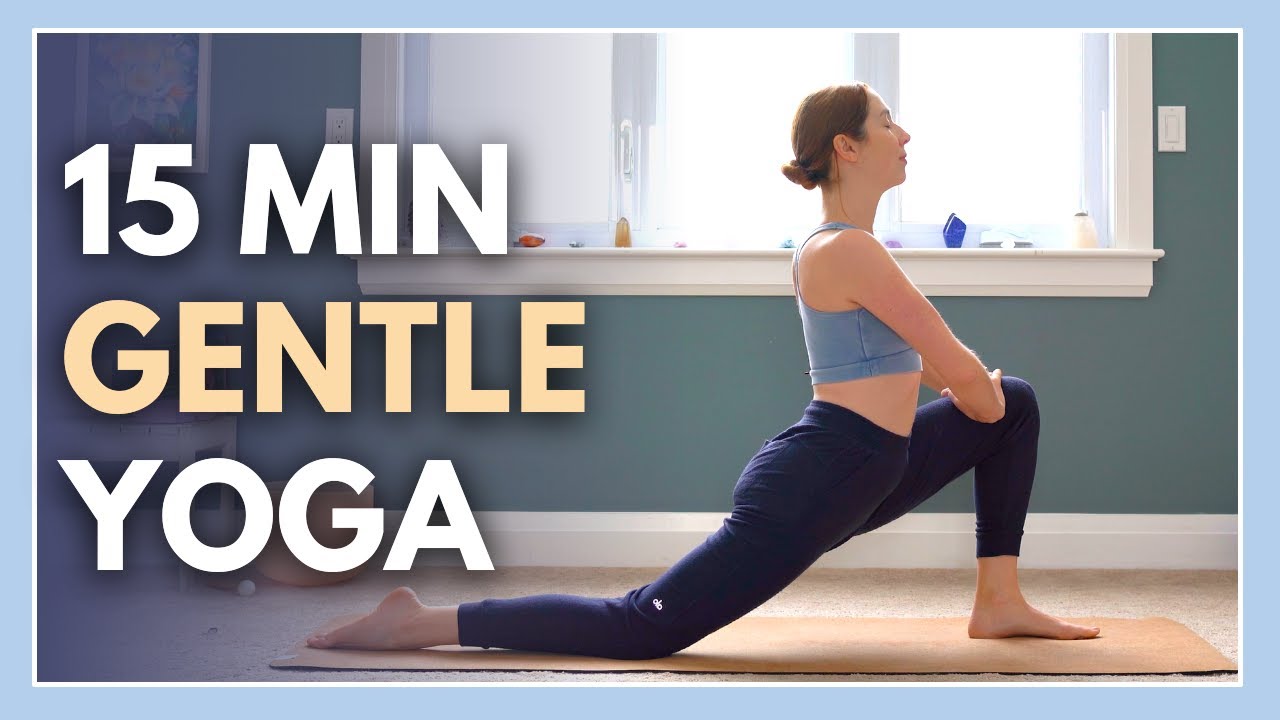
- Designate a specific space free from distractions where you can lay out your mat. Set realistic goals—start with as little as 10 minutes per day focusing on breath awareness before gradually incorporating more complex sequences. Utilize online resources such as guided videos tailored toward stress relief specifically if self-guided practices feel daunting initially. Create rituals around your practice—lighting candles or using calming essential oils might enhance sensory experiences during sessions. Keep a journal documenting feelings before/after practices can provide insight into progress made over time regarding emotional regulation skills developed through consistent engagement.
Regularly engaging in these practices fosters resilience against burnout while contributing positively toward mental health overall.
Cultivating Emotional Balance Through Community Engagement
While solo practices offer solace during chaotic times, connecting with others through group classes enhances accountability while fostering community support—both vital elements when navigating challenging emotions together.
Finding local studios offering classes focused on stress relief or mindfulness-oriented approaches amplifies benefits experienced individually within shared environments filled with collective energy directed toward healing pursuits alike.
Moreover participating actively within such communities enables opportunities not only to learn from instructors but also share insights gained from personal journeys toward emotional balance amongst like-minded practitioners seeking similar results.
Yoga stands out as an accessible means by which individuals can work towards achieving emotional stability amidst life’s uncertainties—its multifaceted approach addresses both physical limitations alongside psychological hurdles encountered along our respective paths toward wellness empowerment over time.